Digitalisation and secure design of a substation

Digitalisation and secure design of a substation
Iltsi, Ukraine
Lead: JSCISOLUTIONSCIRCE
Threats and countermeasures analysisRTUs and IEDsReal-time communications (LAN, PTP, TSN, etc.)Design for digital busesBIM methodology

The Ukrainian on-site demonstration will be deployed at the substation 110/35/10 kV “Iltsi”, located in southwest Ukraine. This substation is operated by JSC “Prykarpattyaoblenergo”, the DSO in the Ivano-Frankivsk region, which receives electricity from the United Energy System of Ukraine.
The most important aspects of the Ukrainian demo are substation systems security and design, and the application of advanced information technologies in system development and operation.
These will be achieved through an end-to-end consideration of the design, test and operation life cycle of upgraded digital substations for primary distribution.
The following resources will be incorporated:
Testing the project resulting solutions to secure and make resilient substation automation systems.
Validating technologies at a laboratory environment.
The most suitable configuration for JSC substation will be selected and tested under relevant conditions together with the SecureBox for the integration of the substation in eFORT architecture system.
Main strategies to be tested will include substation access control and detection of abnormal working conditions or procedures with the corresponding alerts.
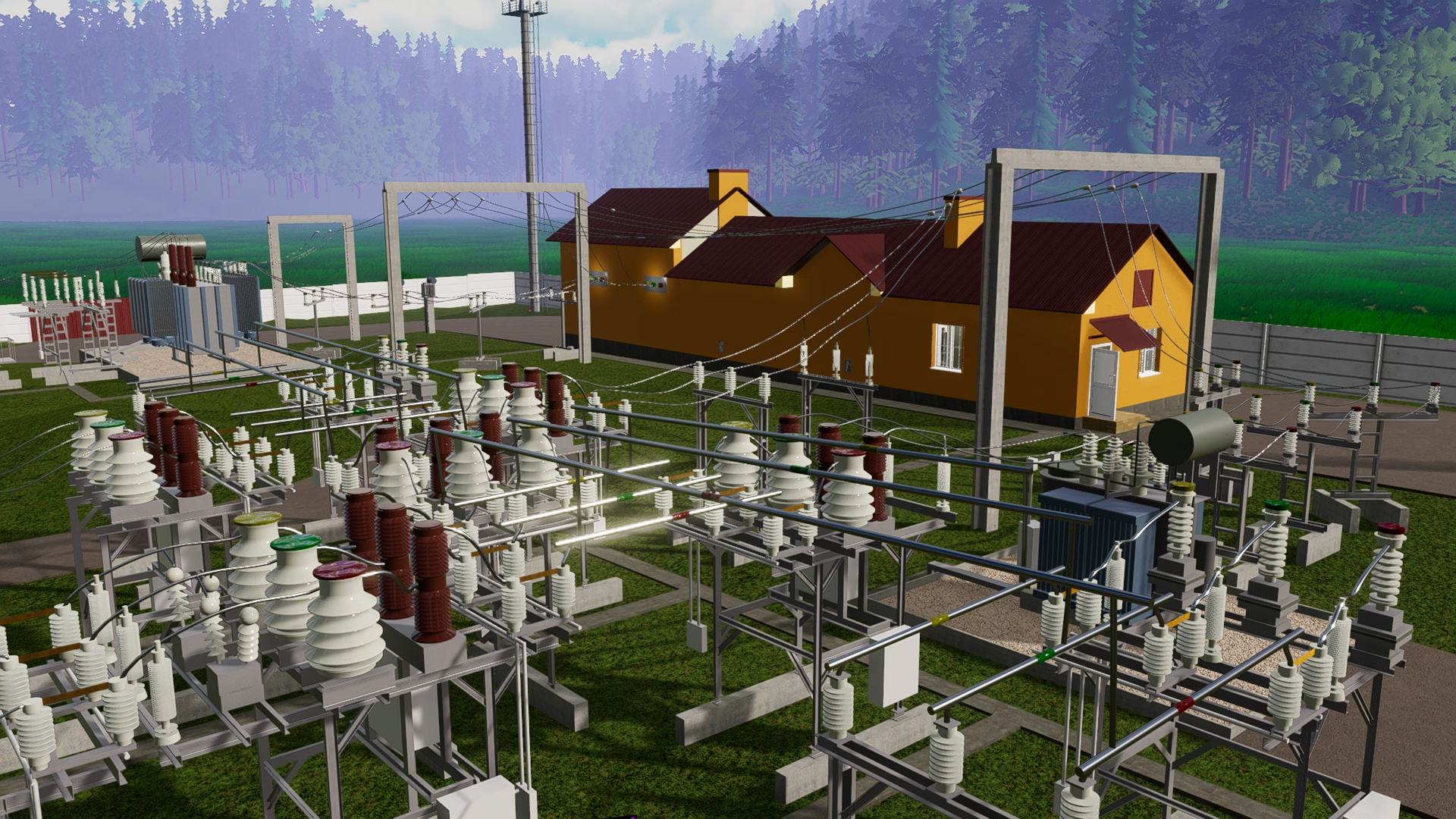
Additionally, development of the BIM substation model (3D scanning: JSC, BIM-process: CIRCE) will allow constant updating and the possibility of having access to the necessary information while testing.


Within Demonstrator 4, eFORT technologies were brought together and validated in the realistic environment of a Ukrainian distribution system operator. The work addressed two closely connected aspects of the future digital substation: stronger protection of substation communications and better use of trusted digital information.
The cybersecurity part of the demonstrator showed how abnormal behaviour in substation communications can be identified, recorded and connected with alerting, response and mitigation processes. This provided the Ukrainian DSO with practical experience of modern cybersecurity approaches that can complement existing operational technology and support the gradual modernisation of substations without disrupting established systems and practices.
In parallel, the project delivered a High Voltage Substation Digital Twin based on a real facility. The digital twin combines a realistic representation of the substation with maintenance information, asset-related data and cybersecurity context in one interactive environment. It was created through laser scanning, BIM modelling and 3D development, with trusted maintenance records made accessible through integrated digital interfaces.
A key finding was that the value of a digital twin does not come from visualisation alone. Its real value appears when useful information is connected to physical assets and presented in a clear and intuitive context. The solution can therefore support not only engineering and maintenance activities, but also personnel training, knowledge transfer, familiarisation with substation infrastructure and communication with both technical and non-technical stakeholders.
Overall, Demonstrator 4 showed a practical path from today’s substation environment towards more secure and digital substations. It connected cybersecurity, trusted data and asset visualisation while respecting the need for gradual modernisation, continuity of operations and the coexistence of long-lifetime equipment with new digital technologies.
The results are relevant to distribution and transmission system operators that are modernising substations while continuing to operate long-lifetime equipment and existing operational systems. They can also benefit engineers, maintenance and cybersecurity teams, training centres, universities and technology providers. By combining stronger communication protection with trusted and accessible asset information, the demonstrator supports better awareness, knowledge sharing and cybersecurity readiness. The approach can be replicated gradually in other substations by adapting the digital model, information sources and cybersecurity components to local needs. After eFORT, the digital twin can be further developed for personnel training, scenario-based learning, VR and AR applications, additional substations and broader educational or engineering use. The experience gained also provides a practical foundation for future secure digital-substation initiatives within the DSO.
Andriy Grabchuk: Andrij.Grabchuk@oe.if.ua
Oleksii Havrylovskyi: Oleksii.Gavrylovsky@oe.if.ua
Volodymyr Shcherbiak: Volodymyr.shcherbiak@oe.if.ua