Preventing cascading failures and restoring interconnected power grids

Preventing cascading failures and restoring interconnected power grids
Delft, Netherlands
Lead: TenneTTNOEuropean Network for Cyber SecurityDNVDelft University of TechnologyCIRCE
Control Room of the Future Development of power grid digital twins Decision support Algorithms and strategies for secure grid operation modes Self-healing grid capabilities Reactive and preventive actions for self-healing reaction techniques
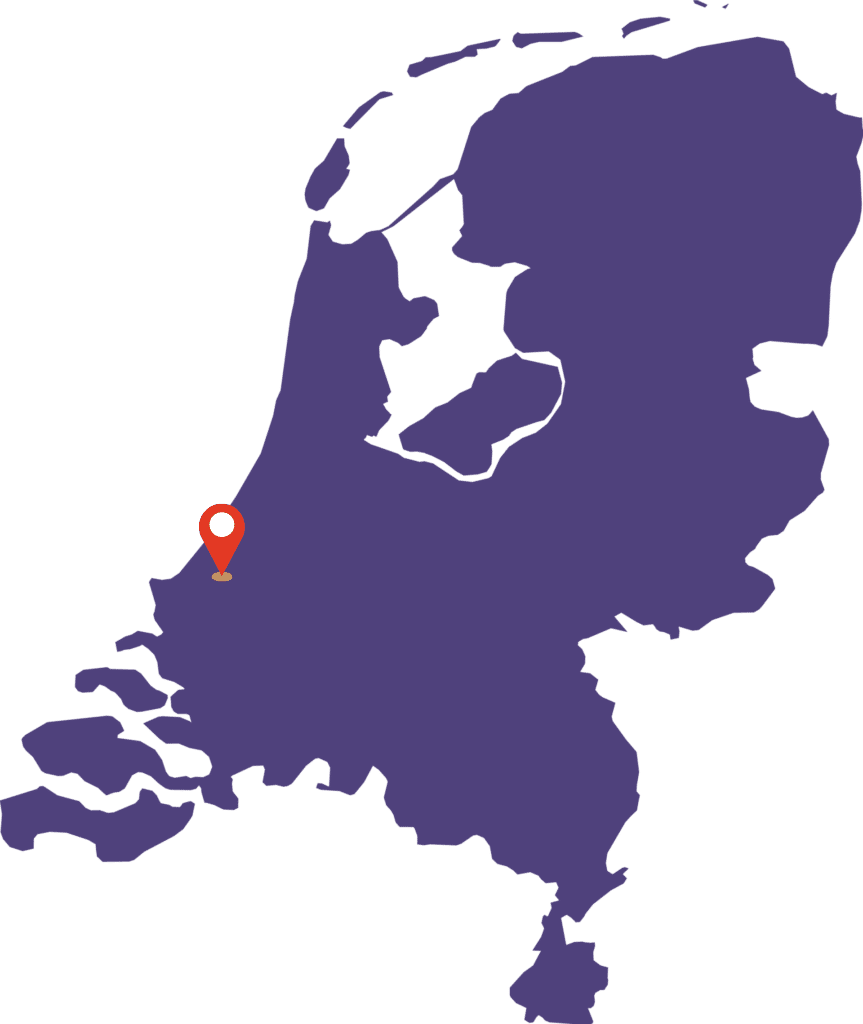
Demo 2, hosted in the Netherlands, aims to secure the interconnected power grids in Europe and make them resilient to cyber attacks, maintenance faults, terrorism, natural hazards or similar related events (at infrastructure, hardware, software and organisational levels). It will demonstrate strategies and tools to defend, prevent, respond and mitigate disturbances, contain cascading failures to avoid a blackout, and restore the interconnected power grids from a European-wide blackout.
A Control Room of the Future (CRoF) for TSOs at TU Delft will be used to jointly train Computer Security Incident Response Team (CSIRT) and power grid operators in the developed solutions and strategies through red/blue team exercises and power grid operation scenarios under emergency, blackout and restorative conditions.
A digital twin of the power grid will be developed using open data, common and future grid components, and standards. The focus is on interconnected power grids at the TSO level, including interfaces with DSOs. The demo encompasses the simulation of the TenneT transmission system of the Netherlands and parts of Germany using the digital twin in CRoF at TU Delft.
Demonstration of a real-time digital twin of interconnected power grids, used for advanced assessment of threats and the effects of cascading failures. The digital twin will allow further development of methods for assessing the impacts of cyber attacks and failures, as well as examining the effectiveness of the detection and mitigation measures.
Building operational resilience to various attacks and failures. To accomplish this, eFORT will develop incident response and business continuity strategies for TSOs, a communication infrastructure and a security platform.
Increasing system resilience through power grid self-healing and decision support techniques for Operational Technology (OT) recovery and power system restoration. The developed techniques will ensure grid resilience at both cyber and physical system layers.

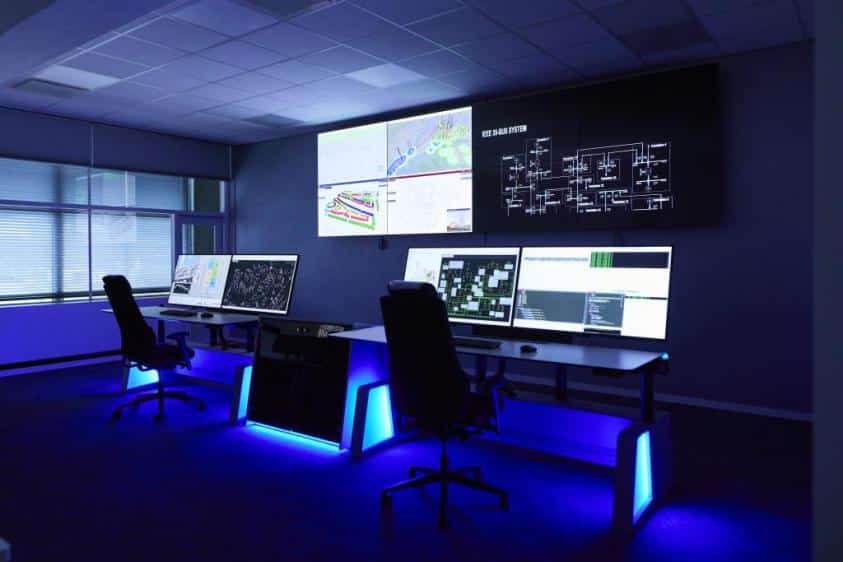
The Dutch TSO pilot successfully brought together the main eFORT cyber and power system capabilities in one integrated demonstrator at TU Delft’s Control Room of the Future (CRoF). The Dutch TSO pilot showed a single operational workflow in which a cyber threat is detected in the IT/OT environment, translated into control-room awareness, assessed for its possible physical impact, and followed by coordinated mitigation and restoration actions rather than presenting separate tools for the process. This made it possible to realistically demonstrate how a cyber incident can escalate into a grid disturbance and how operators can respond before, during, and after a disruptive event.
Several solutions were successfully demonstrated and validated in this setting. The pilot combined the cyber range, EPES SOC functions, SOARCA playbooks, a power-system digital twin, impact assessment services, preventive controlled islanding, and a cyber-physical restoration dashboard. In the incident-response use cases, detection and response functions prevented the attacker from reaching the final target when the countermeasures were enabled. In the cascading-failure use case, the demonstrator showed that preventive islanding can substantially reduce the consequences of a cyber attack: the worst-case share of demand not served fell from 83.7% to 3.16%, the average across tested cases fell from 46.3% to 2.3%, and the impact index dropped from 5.24 to 1.
The pilot also demonstrated a coordinated cyber-physical restoration approach for blackout conditions. Instead of viewing recovery solely as an electrical task, the demonstrator mandated that communication pathways and substation controllability be reestablished prior to carrying out physical actions. In the replayed live demonstration, all communication nodes and all targeted loads were recovered while maintaining the final operating state. A further important outcome from the linked CRoF training activities showed that the integrated environment is also valuable for operator learning and cross-domain awareness. Overall, the Dutch TSO pilot confirmed that combining cyber situational awareness, digital twins, preventive action, and operator-guided restoration can meaningfully strengthen power-system resilience.
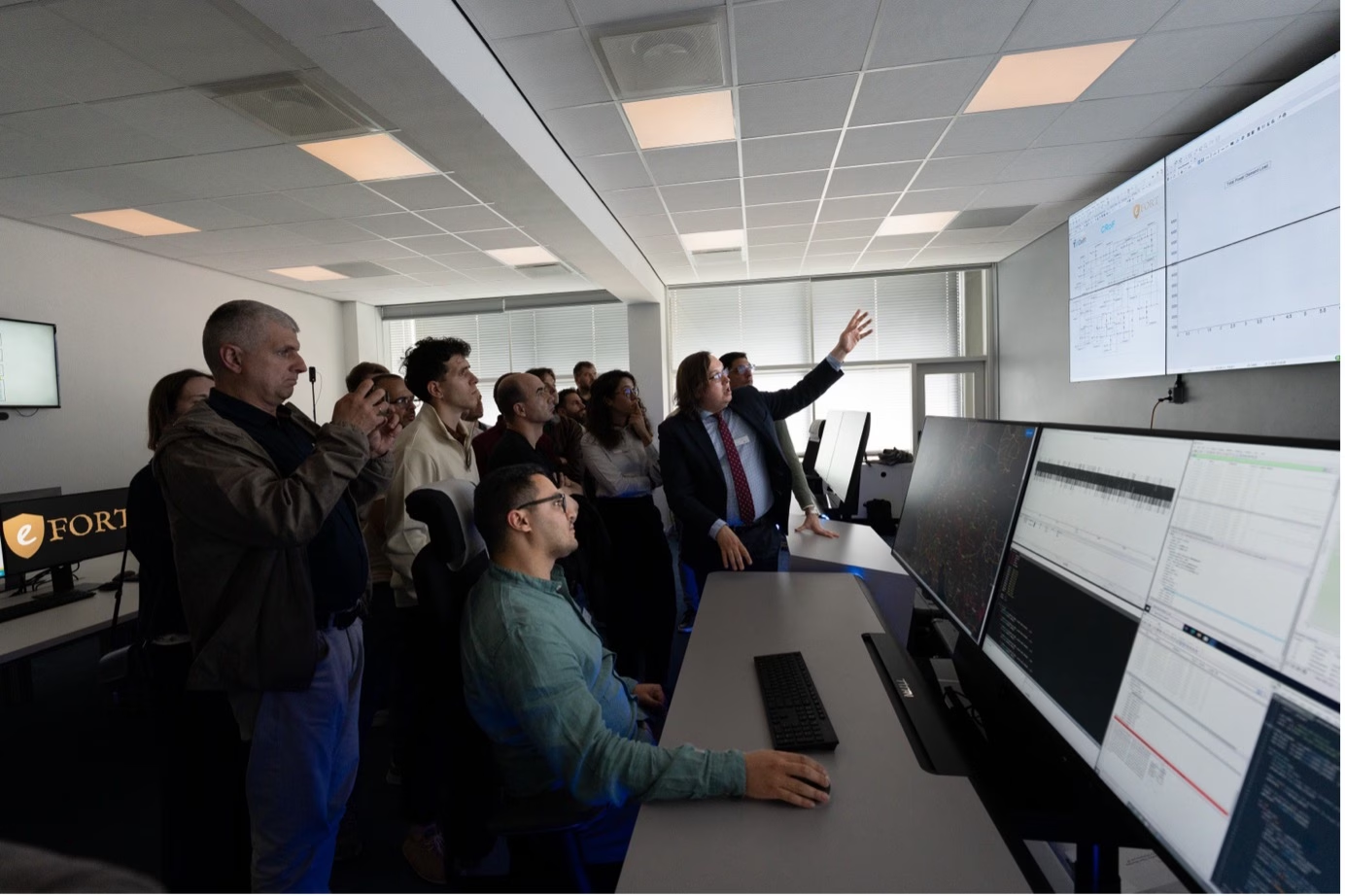
The results are directly relevant to TSOs, DSOs, SOC teams, CSIRTs, control-room operators, training centers, and technology providers working on critical energy infrastructure. The Dutch TSO pilot shows that cyber situational awareness is far more useful when linked to physical impact assessment and operator decision support, and that blackout power system recovery is stronger when OT availability and power restoration are managed together.
This supports quicker, better decisions during critical incidents, reducing cascading failures and outages. It also provides a basis for replication and development. Future work can expand to larger or synthetic grids, add asset priority logic, and improve the training environment for ongoing operational and educational use cases.