
As the eFORT project entered its final phase, our partner Fondazione LINKS showcased the results achieved within the Italian pilot located in the Sarentino Valley, South Tyrol. The pilot addressed one of the most critical challenges facing modern distribution networks: enabling safe and reliable islanded operation when portions of the grid become disconnected from the upstream transmission system.
The Sarentino Valley represented a particularly relevant demonstration site due to its high penetration of distributed hydroelectric generation. With 348 MW of installed hydroelectric capacity and frequent reverse power flows towards the higher-voltage network, the pilot provided an ideal environment for testing innovative solutions that enhance grid resilience and continuity of service.
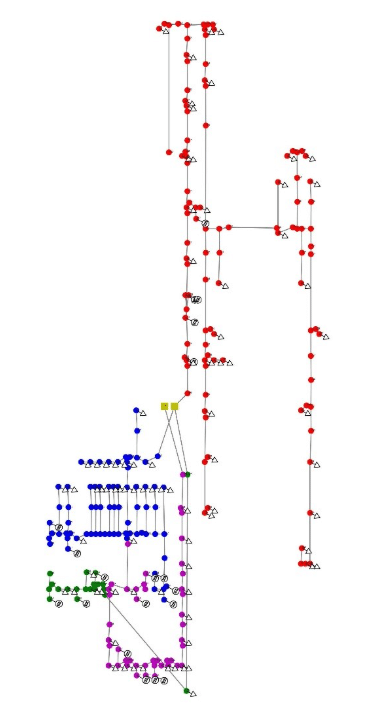
LINKS collaborated closely with EDYNA, SELTA-DP and the project coordinator CIRCE to support the deployment of the Italian demonstrator. A dedicated islanding control framework was developed to enable the autonomous operation of a section of the Sarentino Valley distribution network following disconnection from the upstream grid.
The solution combined a Digital Twin of the network with advanced control algorithms capable of coordinating distributed generators through a Master-Followers architecture. In this configuration, a master generator rapidly compensated for sudden load variations, while follower generators progressively contributed to balancing active and reactive power requirements. Deterministic load-flow-based approaches and Artificial Intelligence techniques based on Reinforcement Learning were both evaluated to optimise system performance.
To further enhance operational efficiency, short-term load forecasting capabilities were integrated into the control framework.
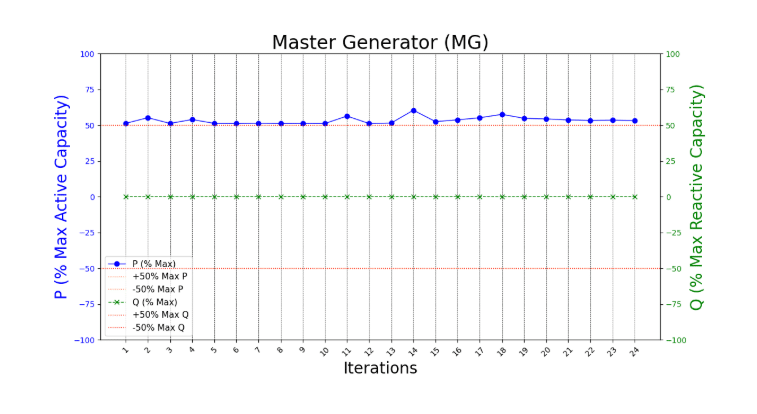
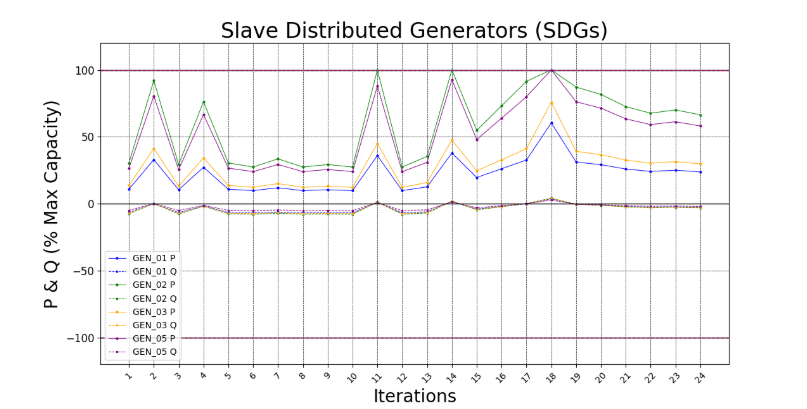
This allowed the system to anticipate demand variations, improve frequency and voltage regulation, reduce network losses and maintain service continuity during islanded operation.
A-Bot: Supporting Grid Operators Through Conversational AI
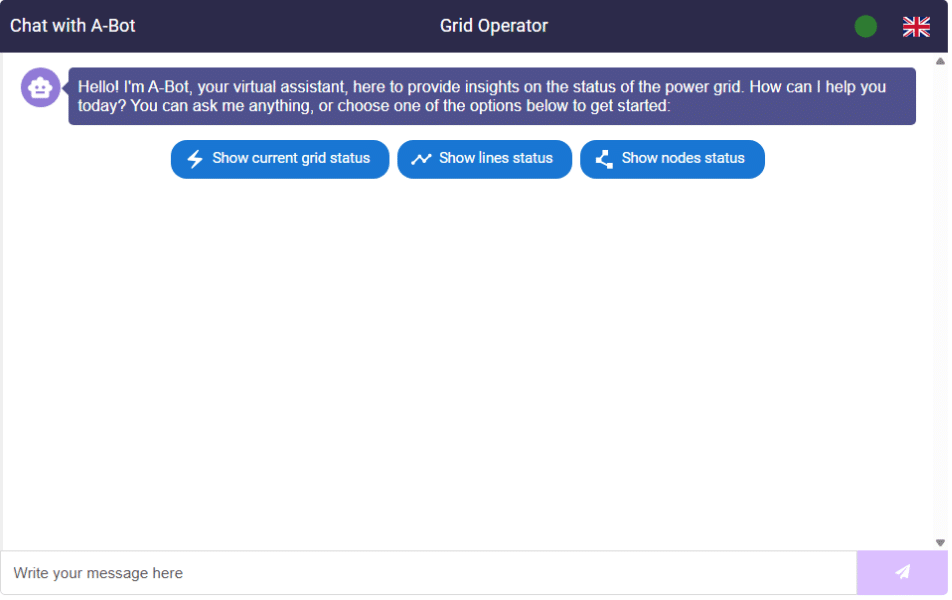
In addition to the islanding algorithms, LINKS developed A-Bot, a conversational assistant designed to support distribution grid operators during monitoring activities.
A-Bot enables operators to interact with the network using natural language, providing real-time information about grid nodes, lines and operating conditions. The platform offers both free-text interaction and quick-access functions, while supporting both Italian and English languages.
The tool was evaluated by an EDYNA grid analyst through a structured assessment process. Feedback highlighted the usefulness of the information provided, the accessibility of the interface and the potential for regular operational use. Suggestions for future development included enhanced network-wide scanning capabilities and further refinement of response structures and Italian-language translations. A-Bot currently operates on simulated data, in line with the prototype nature of this stage of the project.
Significance within the eFORT Project
The technologies developed by LINKS contribute directly to the objectives of eFORT by strengthening the resilience, flexibility and reliability of future electrical networks. The Italian pilot demonstrated how advanced control strategies, digital twins, forecasting tools and Artificial Intelligence can work together to support secure islanded operation and improve grid stability.
Beyond the pilot activities, LINKS also leads Work Package 3, dedicated to the development of technologies for a more secure and robust grid. The work package integrates solutions for cyber and physical risk assessment, proactive intrusion detection, secure digital substations, AI-based stability enhancement and improved operator situational awareness.
The results achieved within the Italian pilot provide a strong foundation for future developments in resilient grid operation. Future activities will focus on further validating the proposed technologies, extending the capabilities of operator support tools such as A-Bot and refining AI-driven control strategies for increasingly complex power systems.
The lessons learned and performance indicators collected during the pilot will also contribute to the cross-site evaluation activities of eFORT, supporting the adoption of innovative solutions across European distribution networks.
Conclusion
The work carried out by LINKS within the Italian pilot delivered validated building blocks for resilient grid operation, including advanced islanding control strategies, Digital Twin-based decision support and an innovative conversational assistant for grid operators. Together, these developments represent an important contribution to the eFORT vision of creating a more secure, flexible and resilient European electricity grid.
To learn more about the project and its technological developments, follow the latest updates from the eFORT consortium and explore the innovations shaping the future of power systems.
Contact us
Follow us on: